Texas Governor Greg Abbott recently announced the signing of legislation intended to prevent what state officials have described as “Sharia compounds” in Texas. The governor’s announcement framed the law as a measure to ensure that housing developments cannot operate outside the authority of Texas law or impose discriminatory rules on residents.
The legislation follows controversy surrounding EPIC City, a proposed Muslim-centered residential development associated with the East Plano Islamic Center in North Texas. State officials have argued that the project could potentially impose Islamic religious rules or create a community governed by religious law.
However, Muslim civil rights organizations and legal advocates have strongly disputed these claims. According to CAIR-Texas and other advocacy groups, allegations that Muslim communities are attempting to establish “Sharia law” in the United States are based on long-standing misconceptions about Islamic religious practices and the role of religious arbitration in American law.
Fact-Checking Claims About “Sharia Law”
Civil rights advocates note that religious arbitration and mediation are common across multiple faith traditions in the United States. Jewish rabbinical courts, Christian mediation panels, and other faith-based dispute resolution systems often help members of religious communities resolve internal matters voluntarily. These processes operate within the framework of U.S. law and cannot override constitutional protections or state legal systems.
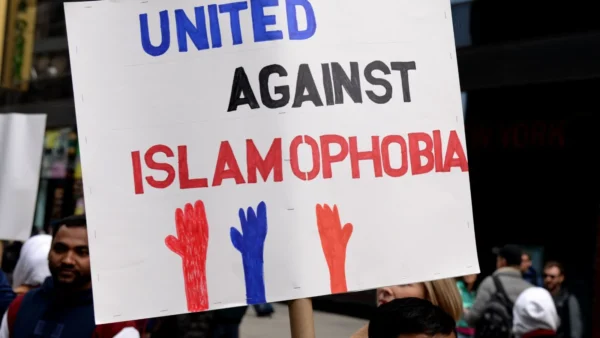
CAIR-Texas has argued that framing Muslim religious practices as a potential legal threat risks stigmatizing Muslim communities and reinforcing harmful narratives that portray Islam as incompatible with American democratic institutions.
Broader Political Context
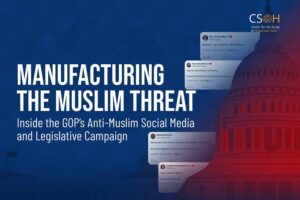
The debate surrounding the new Texas legislation is part of a broader national trend in which political campaigns and legislative proposals have focused on preventing the alleged spread of Sharia law in the United States. Legal scholars and civil rights organizations have frequently pointed out that there is no evidence of parallel Islamic legal systems operating outside the authority of U.S. law.
Advocates warn that policies targeting perceived “Sharia threats” may contribute to discrimination and public misunderstanding of Muslim communities.
Why This Matters for Religious Freedom
The First Amendment guarantees both the free exercise of religion and equal protection under the law. Protecting these rights requires ensuring that government policies do not single out specific religious communities or perpetuate unfounded fears about their beliefs or practices.
For organizations committed to religious liberty and pluralistic democracy, the current debate highlights the importance of promoting evidence-based public discourse and safeguarding constitutional protections for all faith communities.
🔗 Read the governor’s announcement:
https://gov.texas.gov/news/post/governor-abbott-signs-law-banning-sharia-compounds-in-texas
🔗 Read CAIR-Texas’ fact-check:
https://www.cair.com/press_releases/cair-texas-cair-action-texas-fact-check-texas-legislatures-anti-sharia-caucus/